When does preparing for pregnancy actually begin?
For most people, the answer is something like: when we decide to start trying.
We stop contraception. We start taking prenatal vitamins. We may cut back on alcohol, pay more attention to what we eat, and start tracking ovulation.
But after more than three decades as an OBGYN, I have come to believe that we are starting this conversation much too late.
Some of the most important opportunities to support fertility and a healthy pregnancy happen before the positive pregnancy test—and ideally before we even start trying.
And there is another reason this matters that we don’t talk about nearly enough:
Not every pregnancy begins with a plan.
About half of pregnancies are unintended
Despite the availability of highly effective contraception, unintended pregnancy remains remarkably common. Globally, roughly half of pregnancies are estimated to be unintended.
Think about what that means.
Our traditional model of preconception care assumes that a woman decides she wants to become pregnant, makes an appointment, begins folic acid, reviews her medications, improves her lifestyle and then starts trying.
For many women, that sequence simply doesn’t happen.
By the time they know they are pregnant, some of the earliest and most important stages of embryonic development are already underway.
This is particularly relevant today because so many women of reproductive age take prescription and over-the-counter medications or supplements. Some medications can pose risks during pregnancy, while others should not be stopped abruptly because doing so could create greater risks for the mother or pregnancy.
That is why medication review should ideally happen before pregnancy is possible, rather than after a positive pregnancy test.
The question shouldn’t simply be:
“Are you trying to get pregnant?”
Perhaps we should also be asking:
“Is there a possibility that you could become pregnant in the foreseeable future?”
Those are very different questions.
We have a gap in the way we approach fertility
Medicine does many things extremely well once a woman becomes pregnant. We have detailed guidelines for prenatal screening, nutrition, medications, blood pressure, diabetes, fetal growth and many other aspects of pregnancy.
We also have increasingly sophisticated fertility treatments for couples who have difficulty conceiving.
But there is a space between these two worlds that receives far less attention:
What should we be doing before infertility develops and before pregnancy begins?
This is preconception health.
Traditionally, preconception advice has been fairly simple: take folic acid, stop smoking, limit alcohol, make sure vaccinations are up to date, review medications and try to achieve a healthy weight.
All of that remains important.
But our understanding of reproductive health has become much broader.
Fertility doesn’t exist in isolation
Eggs and sperm develop within the same biological environment as the rest of our bodies.
Metabolic health matters. Nutrition matters. Sleep matters. Physical activity matters. Smoking and alcohol matter. Environmental exposures may matter. And the health of the male partner matters far more than our traditional conversations about pregnancy preparation sometimes suggest.
This doesn’t mean that following a perfect lifestyle guarantees pregnancy.
It doesn’t.
Fertility is complicated. Age, genetics, anatomy, medical conditions, ovarian reserve and many other factors can affect the ability to conceive. No one should be made to feel that infertility occurred because they didn’t eat the right foods or take the right supplements.
But there is an important difference between guaranteeing an outcome and improving the conditions in which reproduction takes place.
That distinction is at the heart of how I now think about preconception care.
Why earlier may matter
An egg that ovulates this month did not suddenly appear this month.
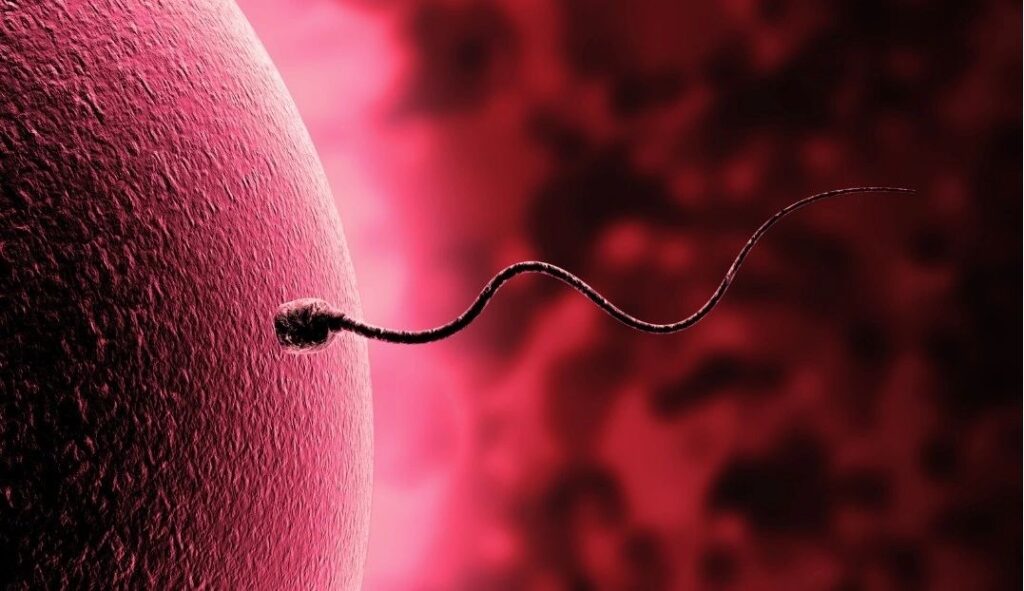
Follicular development is a lengthy biological process. Sperm development also takes approximately 74 days, followed by further maturation.
That means the health environment in the months before conception may be relevant to the reproductive cells that ultimately come together to create an embryo.
And I think we should take an even longer view.
If a woman knows she would like to have children in the next few years, why shouldn’t she understand her reproductive health now?
Why wait until she is actively trying to conceive to talk about menstrual health, PCOS, endometriosis, metabolic health, reproductive aging or the potential impact of lifestyle and environmental exposures?
And why aren’t we having the same conversation with men?

The question I increasingly ask is: why wait?
For much of medicine, prevention is considered good practice.
We don’t wait for cardiovascular disease before talking about blood pressure, exercise or smoking.
We don’t wait for type 2 diabetes before discussing metabolic health.
Yet reproductive health is still often approached reactively.
A couple may spend months trying to conceive before anyone takes a detailed look at their health and lifestyle. Sometimes they are told simply to keep trying until enough time has passed to meet the definition of infertility.
For some couples, that is entirely appropriate.
But I believe we can do something else at the same time.
We can educate people earlier.
And because so many pregnancies are not planned, this education shouldn’t be reserved only for people who walk into a doctor’s office saying, “We’re ready to have a baby.”
Preconception health is really reproductive health.
Preconception care shouldn’t be about perfection
There is already far too much pressure placed on women around fertility and pregnancy.
Preparing for pregnancy should not become another impossible list of things women are expected to do perfectly.
Instead, I see preconception health as an opportunity.
What can you change?
What can’t you change?
Which changes have good evidence behind them?
Which ones are low-risk and reasonable?
Are the medications and supplements you take appropriate if pregnancy occurs?
And when is it time to seek medical advice rather than trying to optimize everything yourself?
Those are much more useful questions than asking someone to pursue an imaginary “perfect” fertility lifestyle.
What I wish my patients had been told earlier
Looking back over my years in practice, I have met many women who were extremely knowledgeable about preventing pregnancy but knew surprisingly little about their fertility timeline.
Some didn’t realize how significantly reproductive aging could affect their plans.
Others discovered PCOS or endometriosis only after they began trying to conceive.
Many couples assumed fertility was primarily about the woman, when male factors contribute substantially to infertility.
And many patients first became intensely interested in nutrition, sleep, environmental exposures and metabolic health only after conception became difficult.
I kept thinking:
Why didn’t we have this conversation five years earlier?
That question eventually became one of the reasons I wrote Optimize Your Fertility Naturally.
I wanted people to have access to this information before they needed a fertility clinic—and ideally before they even started trying.
Before the positive test
Over the next few Sundays, I’m going to explore some of the things I wish every prospective parent knew earlier.
We’ll talk about what preconception preparation can realistically accomplish, what both partners can do, which aspects of lifestyle deserve our attention, and which questions you may want to ask about your fertility before pregnancy is even on the immediate horizon.
My goal isn’t to make anyone anxious about fertility.
Quite the opposite.
Information given early creates choices.
And when it comes to reproductive health, I believe earlier choices can be enormously valuable.
SAVE THE DATE — OCTOBER 9 AT NOON ET
I’m delighted to invite you to save the date for a special virtual event:
BEFORE THE POSITIVE TEST
A conversation about what I wish every patient knew before trying to conceive—and a virtual celebration of my book, Optimize Your Fertility Naturally: A Holistic Guide to Achieving a Healthy Pregnancy.
Friday, October 9, 2026
12:00 noon Eastern Time
Online
I’ll be joined by my book coach, Shannon, and my daughter, for a conversation that is particularly close to my heart.
Having my daughter there brings another generation into this discussion. That’s exactly where I believe the conversation about fertility belongs—not only with people already struggling to conceive, but with younger women and men who are making decisions today that may affect the families they hope to have tomorrow.
We’ll talk about what more than three decades in OBGYN practice have taught me, why I wrote this book, what I wish my patients had known earlier, and why I believe we need to change the way we think about the years before the positive test.
There will also be an opportunity for questions.
Registration details are coming soon. For now, please save the date: Friday, October 9 at noon ET.
Dr Marina OBGYN