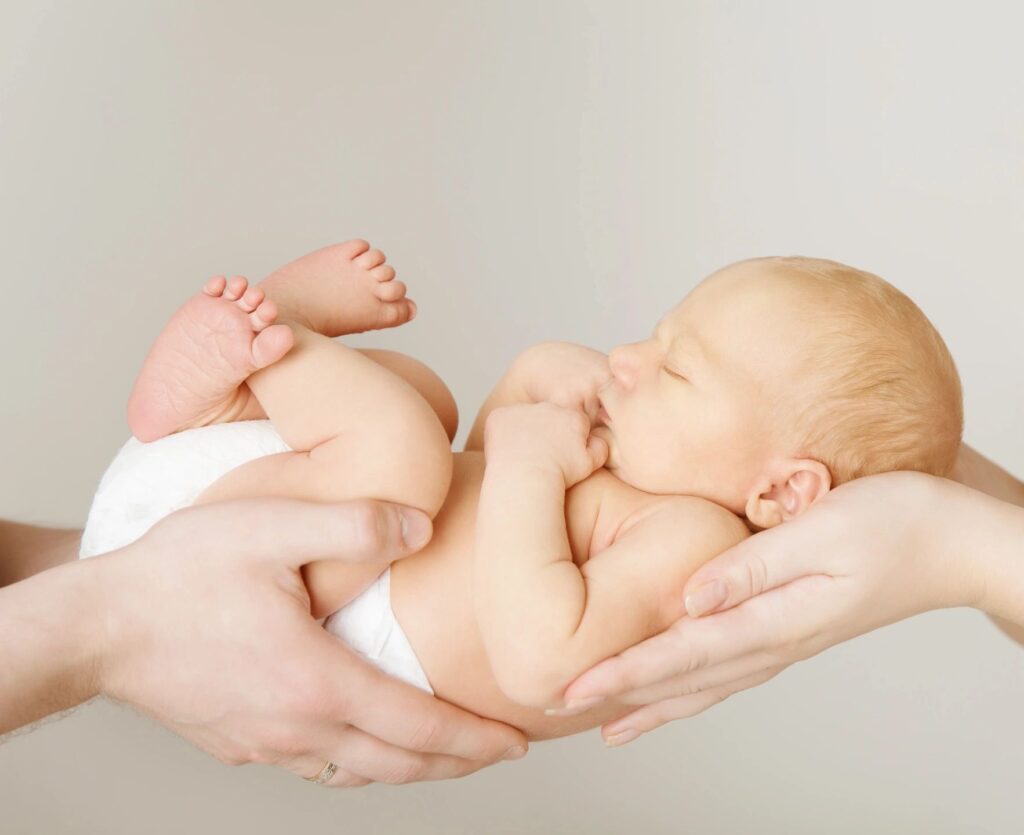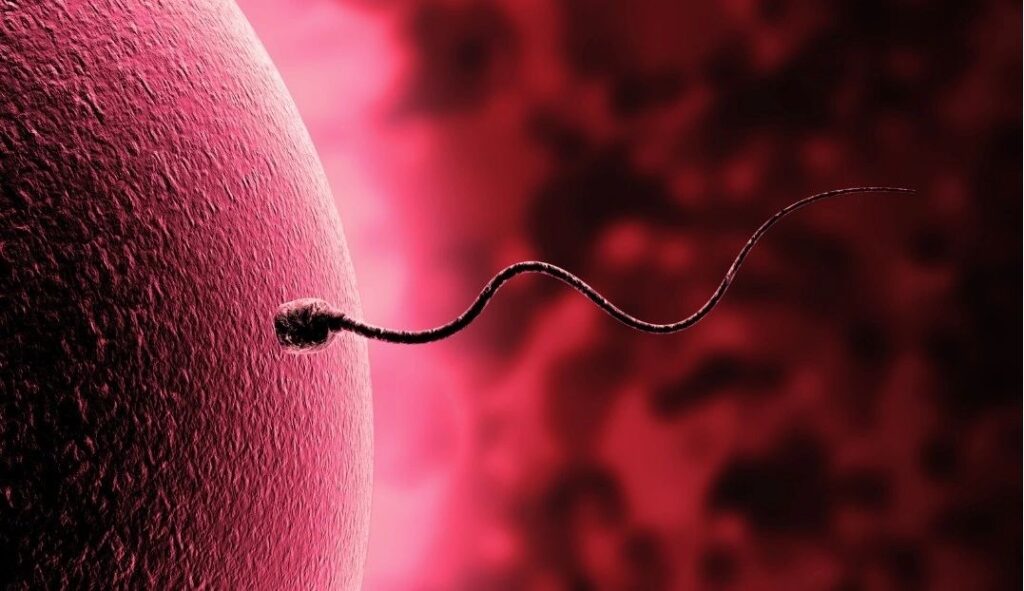
As physicians, we spend our careers helping others build healthy families. We counsel patients about pregnancy, infertility, miscarriage, and reproductive health every day. Yet many physicians struggle with their own fertility journey.
It seems paradoxical.

e understand reproductive biology. We know that female fertility declines with age as both egg number and egg quality decrease. We also know that male fertility changes with age and that advancing paternal age is associated with lower fertility, higher miscarriage rates, and certain risks to offspring.
Yet knowledge alone is often isn’t enough.
Medical training is long, demanding, and frequently overlaps with our most fertile years. Medical school is followed by residency, fellowship, examinations, and the pressure to establish a practice or academic career. Many physicians intentionally postpone starting a family because there never seems to be a “right time.”
Unfortunately, biology does not adjust its timeline to accommodate our careers.
A landmark study published in the Journal of Women’s Health found that female physicians were significantly more likely than women in the general population to delay childbearing because of their careers. Many later experienced infertility and required fertility treatment.¹
More recently, a national survey published in JAMA Network Open reported that over three-quarters of women physicians delayed childbearing because of medical training or career demands, and more than one-third experienced infertility.² These rates are substantially higher than those seen in the general population.
The consequences extend beyond infertility.
Studies have shown that pregnancy during residency and fellowship is associated with increased stress, inadequate maternity leave, breastfeeding challenges, burnout, and concerns about career advancement.³ Physicians often feel they must choose between being dedicated doctors and becoming parents, when in reality they should never have to make that choice.
As an obstetrician-gynecologist, I have watched this unfold repeatedly.
Residents tell themselves they will wait until after residency.
Then after fellowship.
Then after becoming staff.
Then after partnership.
Then after promotion.
Before they realize it, they are approaching forty and wondering why pregnancy isn’t happening.
This is not a failure of intelligence.
It is a failure of the system.
Medicine has made tremendous strides in physician wellness, yet reproductive wellness remains largely overlooked. Family planning should be discussed openly during medical school and residency—not to pressure anyone into having children, but to ensure physicians understand all of their reproductive options before those options become more limited.
That includes conversations about fertility preservation.
Egg freezing is not an insurance policy, but it may provide additional reproductive options for some women who know they are likely to delay childbearing. Male physicians should also understand that lifestyle and age affect sperm quality and fertility.
Perhaps even more importantly, physicians need to recognize that fertility is about more than age alone.
Overall health matters.
Nutrition.
Exercise.
Sleep.
Stress management.
Metabolic health.
Environmental exposures.
Body composition.
These factors influence reproductive health in both women and men. While they cannot stop the biological clock, they can help optimize fertility and improve the chances of achieving a healthy pregnancy.
This is a message I wish every medical student heard during the first year of training.
Not because everyone should become a parent.
But because everyone deserves the opportunity to make informed decisions while they still have choices.

One of the greatest ironies in medicine is that those who dedicate their lives to helping others build families often sacrifice their own opportunity to do so.
We can—and should—do better.
If we truly value physician wellness, fertility education must become part of that conversation.
Because caring for the next generation begins with caring for those who hope to create one.
References
- Stentz, Natalie Clark, Kent A. Griffith, Elena Perkins, Rochelle DeCastro Jones, and Reshma Jagsi. “Fertility and Childbearing Among American Female Physicians.” Journal of Women’s Health 25, no. 10 (2016): 1059–1065. https://doi.org/10.1089/jwh.2015.5638.
- Jennifer B. Bakkensen, et al. “Childbearing, Infertility, and Career Trajectories Among Women Physicians.” JAMA Network Open 6, no. 7 (2023): e2326192. https://doi.org/10.1001/jamanetworkopen.2023.26192.
- Stack, Shobha W., Christy M. McKinney, Charles Spiekerman, and Jennifer A. Best. “Childbearing and Maternity Leave in Residency: Determinants and Well-Being Outcomes.” Postgraduate Medical Journal 94, no. 1118 (2018): 694–699. https://doi.org/10.1136/postgradmedj-2018-135960.
- Erica L. Rangel, et al. “Pregnancy and Motherhood During Surgical Training.” JAMA Surgery 153, no. 7 (2018): 644–652. https://doi.org/10.1001/jamasurg.2018.0153.
Dr Marina OBGYN