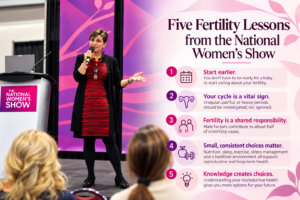
Yesterday, I had the pleasure of speaking at the National Women’s Show in Ottawa about a subject that has become one of my greatest passions: what I wish everyone knew before trying to conceive.
After more than 35 years as an obstetrician-gynecologist, I have helped thousands of women navigate pregnancy, infertility, and reproductive health challenges. And if there is one thing those years have taught me, it is this:
We spend so much time teaching people how not to get pregnant, but remarkably little time teaching them how to prepare for a healthy pregnancy.
That is a conversation I want to change.
Fertility Doesn’t Begin When You Decide to Have a Baby
For many people, thinking about fertility begins when they stop contraception and start trying to conceive.
But the foundations of reproductive health are laid much earlier.
Our nutrition, sleep, physical activity, metabolic health, stress, and environmental exposures can all influence reproductive function. These same factors also affect our long-term health and longevity.
Fertility is not an isolated biological function. It is part of our overall health.
And importantly, preconception health is not just a woman’s responsibility.
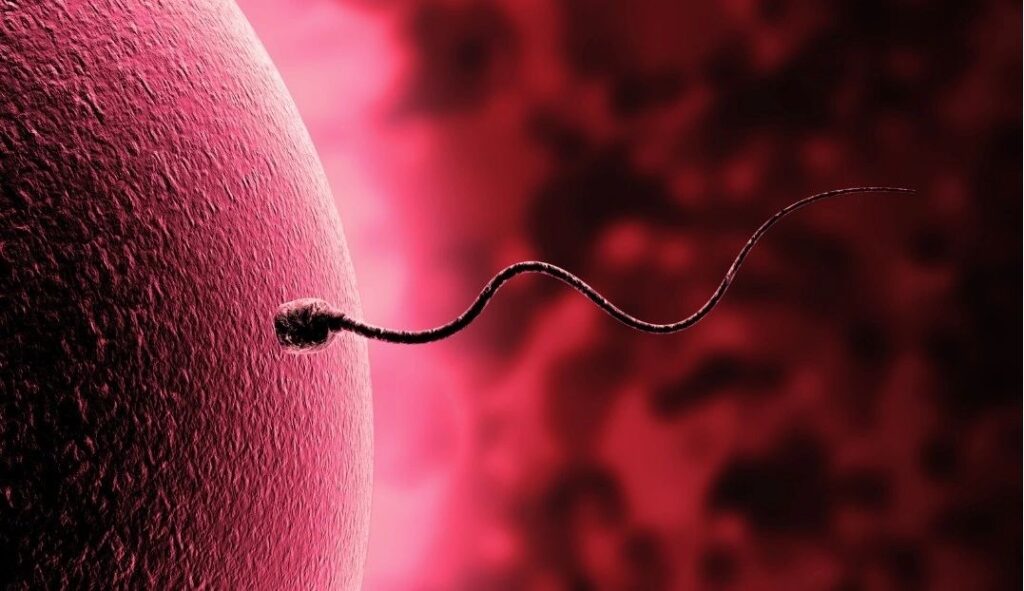
Sperm health matters too. The health of both prospective parents can influence the chances of conception and the health of the next generation.
Five Messages I Hope Everyone Takes Home
If I could leave every person who attended today’s presentation with just five ideas, they would be these:
1. You don’t have to be ready for a baby to start caring about your fertility.
Whether pregnancy is part of your plans next year, five years from now, or you are still undecided, understanding your reproductive health gives you more choices.
2. Your menstrual cycle is a vital sign.
Irregular, painful, or unusually heavy periods should not simply be dismissed as something women must endure. They may be clues to underlying conditions such as polycystic-morphology ovary syndrome (PMOS, previously called PCOS), endometriosis, or other reproductive and metabolic concerns.
Early recognition can make a meaningful difference.
3. Fertility is a shared responsibility.
Male factors contribute to approximately half of infertility cases, either alone or in combination with female factors. Yet the conversation about fertility still focuses disproportionately on women.
We need to change that.
4. Small, consistent lifestyle choices matter.
Eating nutritious whole foods, getting adequate sleep, exercising regularly, avoiding tobacco, limiting alcohol, and reducing unnecessary exposure to endocrine-disrupting chemicals can support reproductive and general health.
There is no magic supplement or perfect fertility diet. But there are many evidence-informed steps that can help create a healthier foundation for pregnancy.
5. Knowledge creates choices.
Age remains one of the most important determinants of fertility, particularly for women. Lifestyle optimization cannot reverse reproductive aging, but understanding your reproductive timeline, recognizing symptoms early, and seeking appropriate advice can help you make more informed decisions.
From Treating Infertility to Promoting Fertility Health
Throughout my career, I have seen the emotional and physical toll infertility can take on individuals and couples.
I have also seen how often people tell me, “I wish someone had told me this earlier.”
That sentence has stayed with me.
It was one of the reasons I wrote my book, Optimize Your Fertility Naturally: A Holistic Guide to Achieving a Healthy Pregnancy.
My goal was not simply to write another book about getting pregnant.
I wanted to give people the knowledge to understand their bodies, recognize potential problems, and take practical steps toward better health long before pregnancy becomes an immediate goal.
I believe preconception education deserves a place alongside contraception education, preventive medicine, and routine health care.
A Thank You — and an Invitation
I am grateful to the organizers of the National Women’s Show for providing a platform to discuss this important subject, and to everyone who took the time to listen, ask questions, visit my booth, or learn more about my book.
But I hope the conversation doesn’t end when the Show closes.
If there is one message I want you to share with your daughters, sons, friends, colleagues, and loved ones, it is this:
You do not have to wait until you want a baby to start building the health that supports one.
And even if parenthood is not in your future, the same choices that support reproductive health can contribute to a healthier life.
That is why I believe the conversation about fertility belongs to everyone.
Let’s Keep the Conversation Going
What is one thing you wish you had known earlier about your fertility or reproductive health?
I would love to hear your thoughts and questions.
You can continue learning through my weekly blog, follow me on Instagram at @dr.marina.obgyn, or explore my book, Optimize Your Fertility Naturally.
Because when it comes to our health and our future, earlier matters.
Dr Marina OBGYN