1

Can GLP-1 Medications Improve Fertility? What the Science Shows.

By Dr. Marina Straszak-Suri, MD, FRCSC If you’ve spent any time on social media recently, you’ve probably come across stories of women becoming unexpectedly pregnant after starting Ozempic®, Wegovy®, Mounjaro®, or Zepbound®. Some have even coined the phrase “Ozempic babies.” As an obstetrician-gynecologist who has spent more than 35 years helping couples build their families, […]

Can GLP-1 Medications Improve Fertility? What the Science Shows. Read Post »

1

When Doctors Delay Parenthood

As physicians, we spend our careers helping others build healthy families. We counsel patients about pregnancy, infertility, miscarriage, and reproductive health every day. Yet many physicians struggle with their own fertility journey. It seems paradoxical. e understand reproductive biology. We know that female fertility declines with age as both egg number and egg quality decrease.

When Doctors Delay Parenthood Read Post »

rs=w 1280 (8)

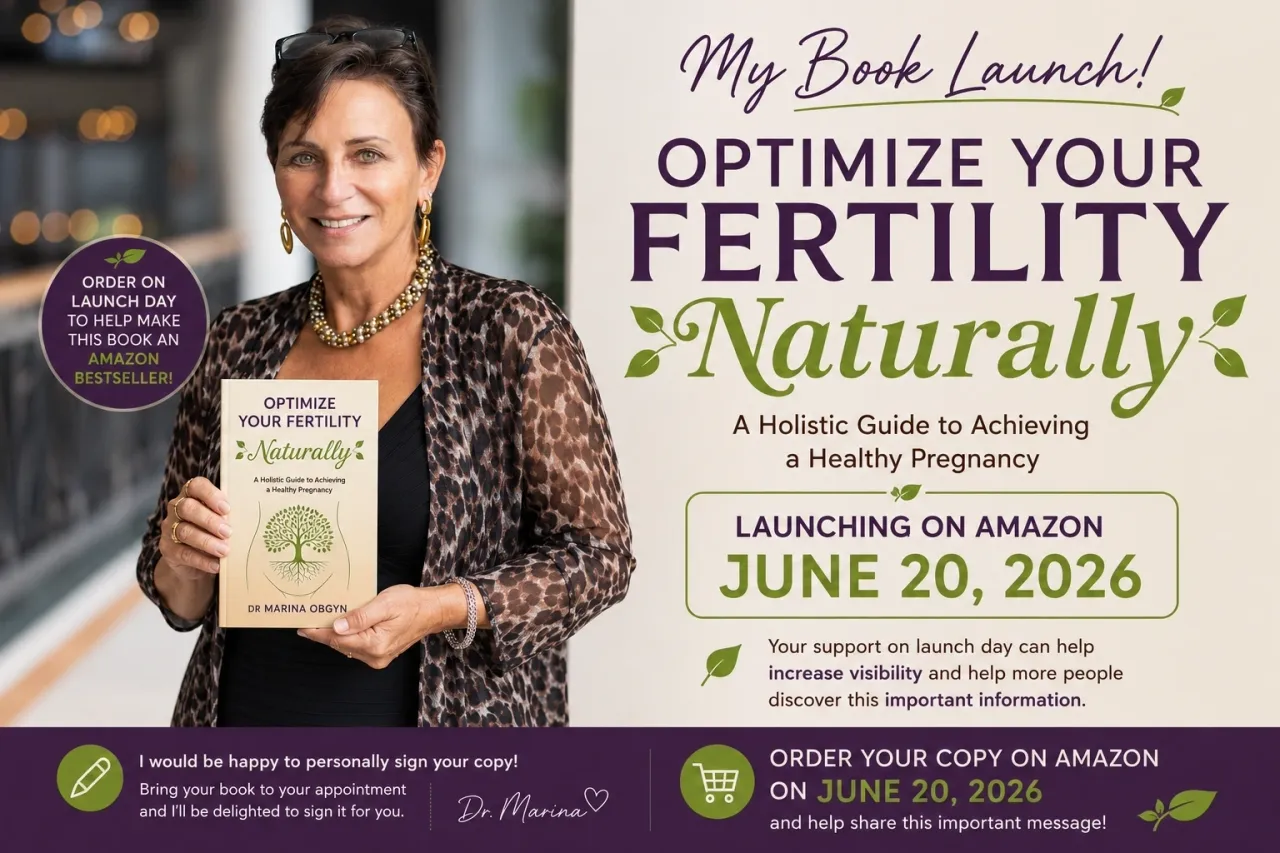
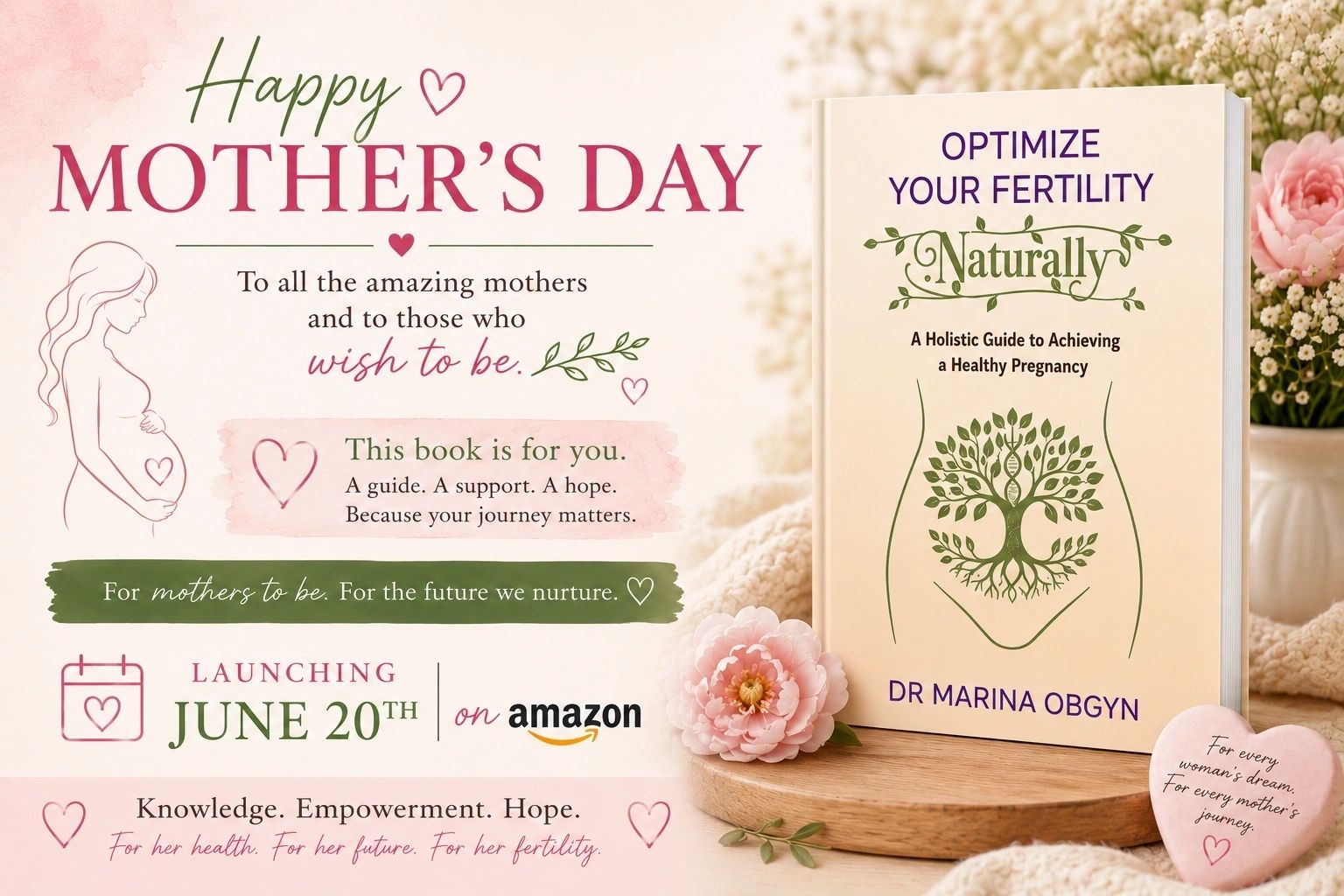
June 20, 2026: Help Launch “Optimize Your Fertility Naturally”

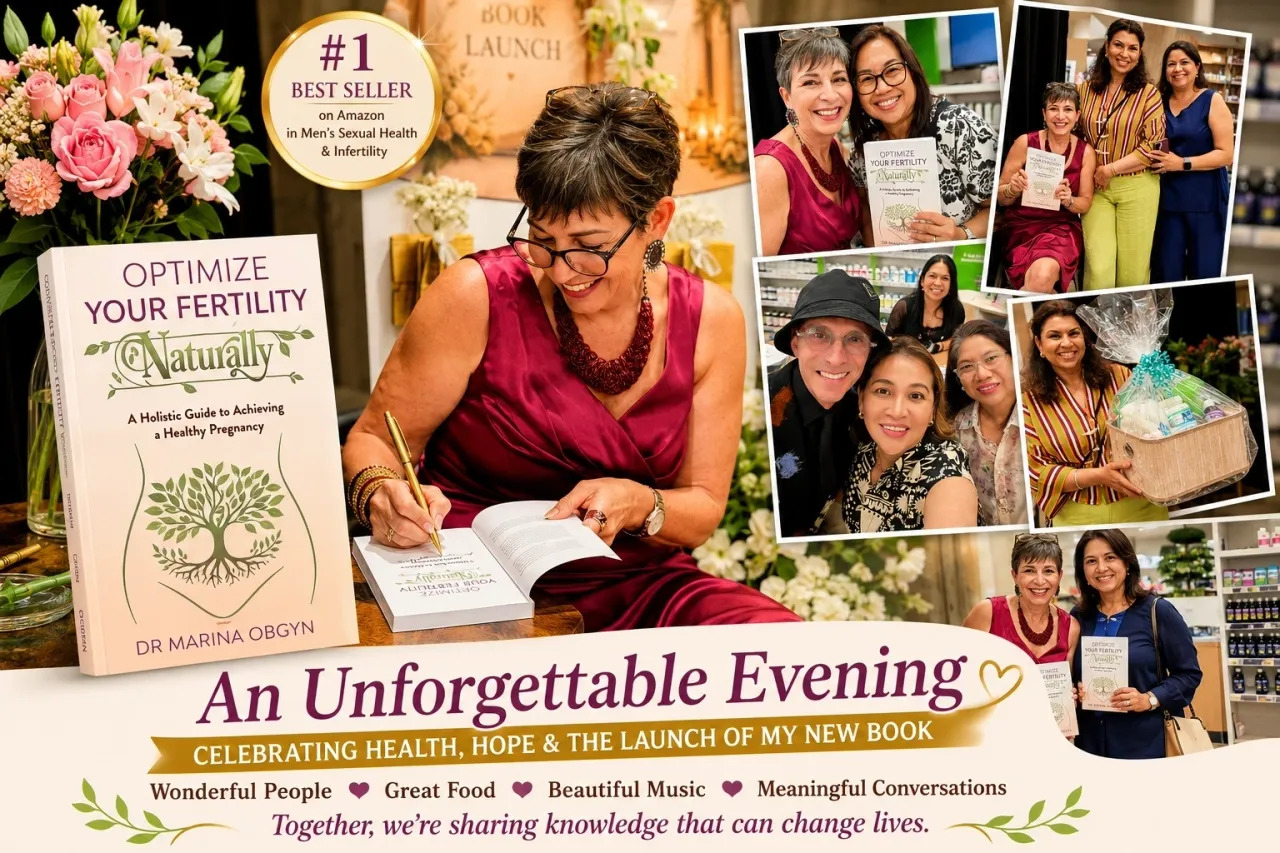
After more than 35 years of caring for women and couples on their fertility journeys, I am thrilled to announce that my book, Optimize Your Fertility Naturally: A Holistic Guide to Achieving a Healthy Pregnancy, officially launches on Amazon on June 20, 2026. This book is the culmination of decades of clinical experience, thousands of patient conversations,

June 20, 2026: Help Launch “Optimize Your Fertility Naturally” Read Post »

rs=w 1280 (4)

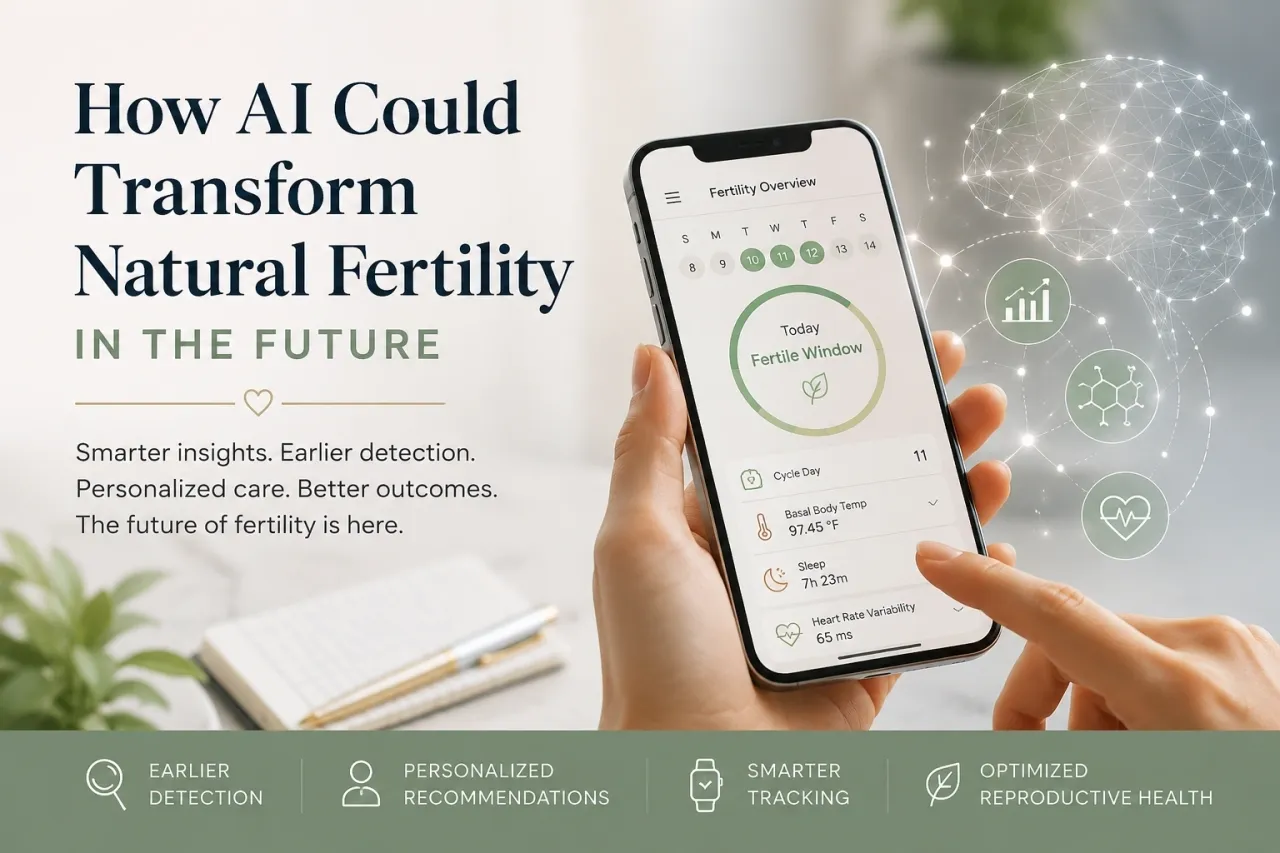
How Artificial Intelligence Could Transform Natural Fertility

Artificial intelligence (AI) is rapidly changing medicine. From radiology to oncology, AI is helping physicians analyze complex information more efficiently and accurately. Fertility care is no exception. While much of the current attention has focused on AI in IVF laboratories, I believe one of the most exciting opportunities lies elsewhere: helping more couples conceive naturally.

How Artificial Intelligence Could Transform Natural Fertility Read Post »

rs=w 1280

Why PCOS Became PMOS — And Why This Matters for Women’s Health

For decades, millions of women have been told they have “polycystic ovary syndrome,” or PCOS. Yet many of those women never actually had ovarian cysts. The name confused patients, frustrated physicians, and often reduced a complex whole-body condition to a problem of the ovaries alone. Now, after years of international debate, research, and advocacy, PCOS

Why PCOS Became PMOS — And Why This Matters for Women’s Health Read Post »